
Great Cormorant — Scientific Illustration

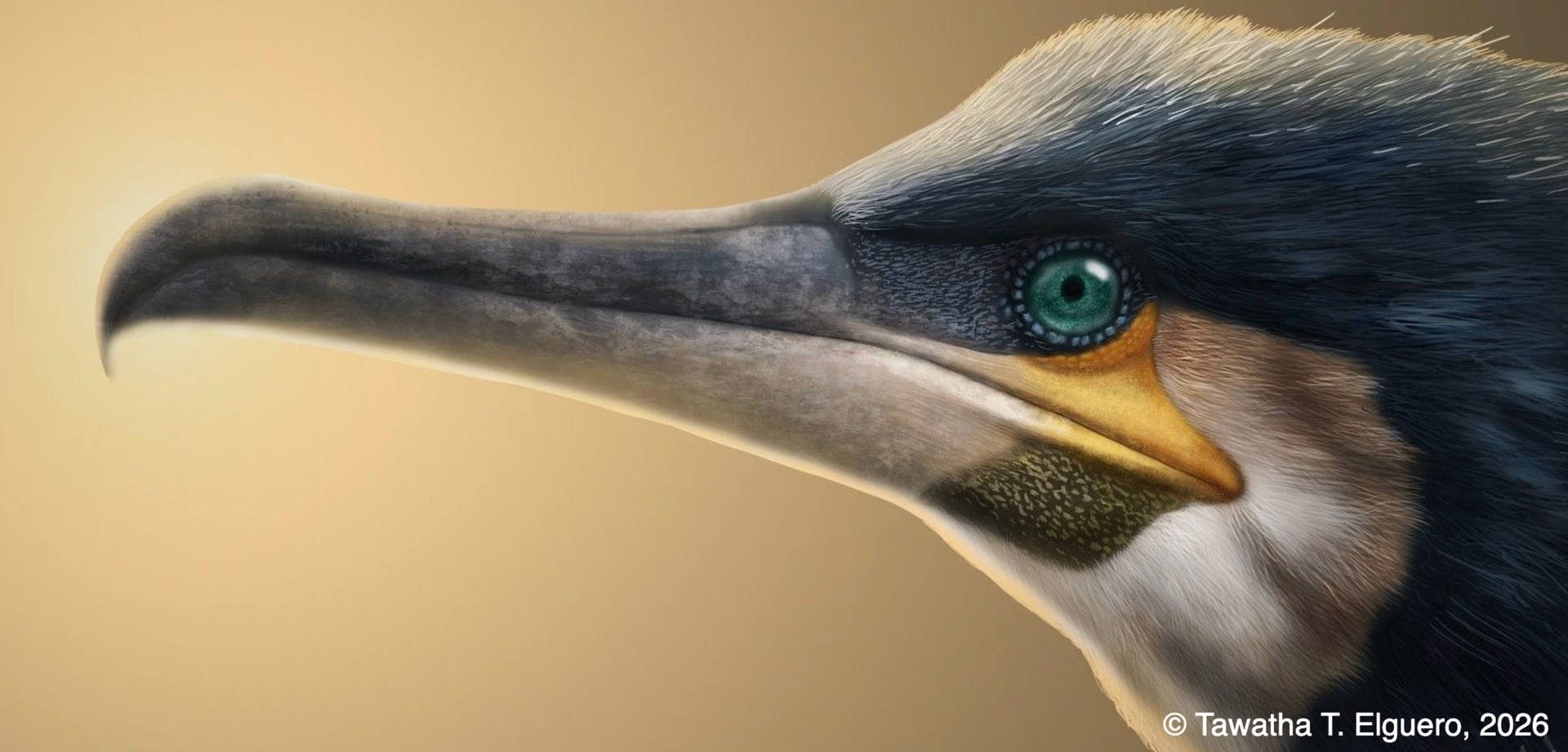
This is a personal illustration of a Great Cormorant (Phalacrocorax carbo). I had been fascinated by the Great Cormorant and was experimenting with ideas as I went along.
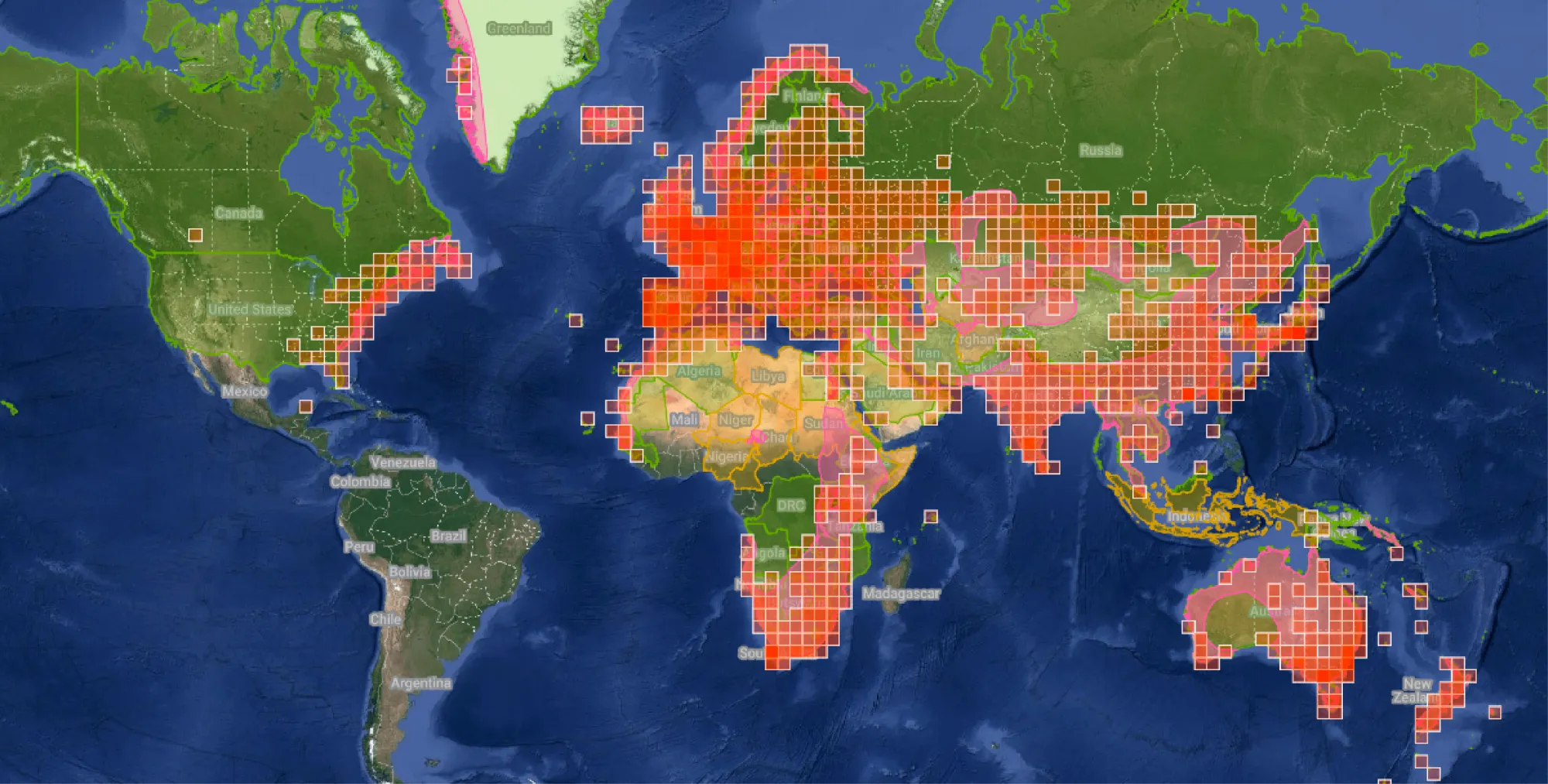
The first time I saw a Great Cormorant (Phalacrocorax carbo) was in Copenhagen, Denmark, in 2013. A swan was swimming across the Amager Nature Reserve in eastern Copenhagen when a cormorant flew by and landed on a wooden post right next to it.
I remember staring at the cormorant’s plumage and hooked beak. Its feathers had an iridescent bluish gradient. At the time, I thought it was the closest modern bird I had seen to something prehistoric. I found them beautiful.
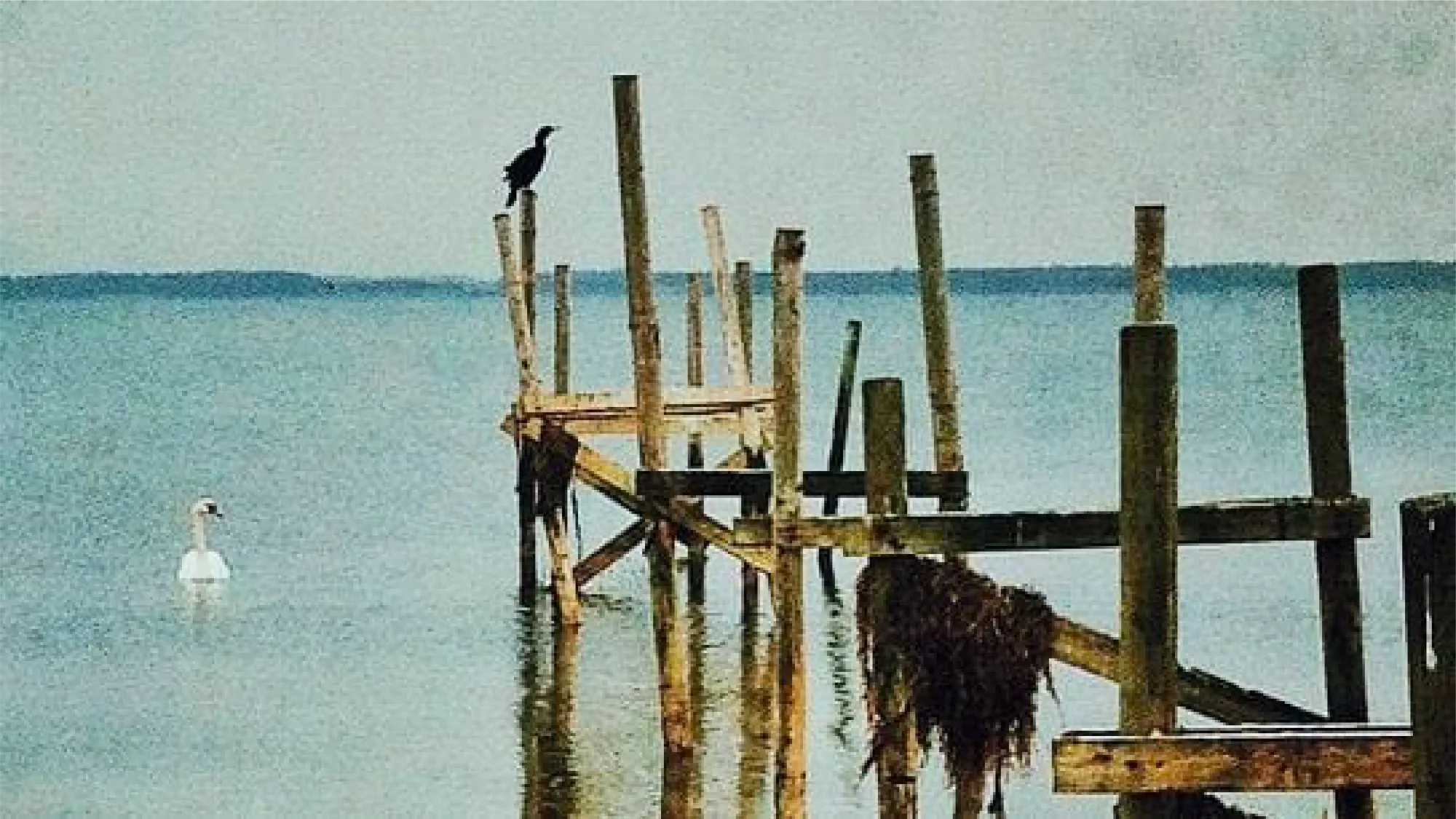
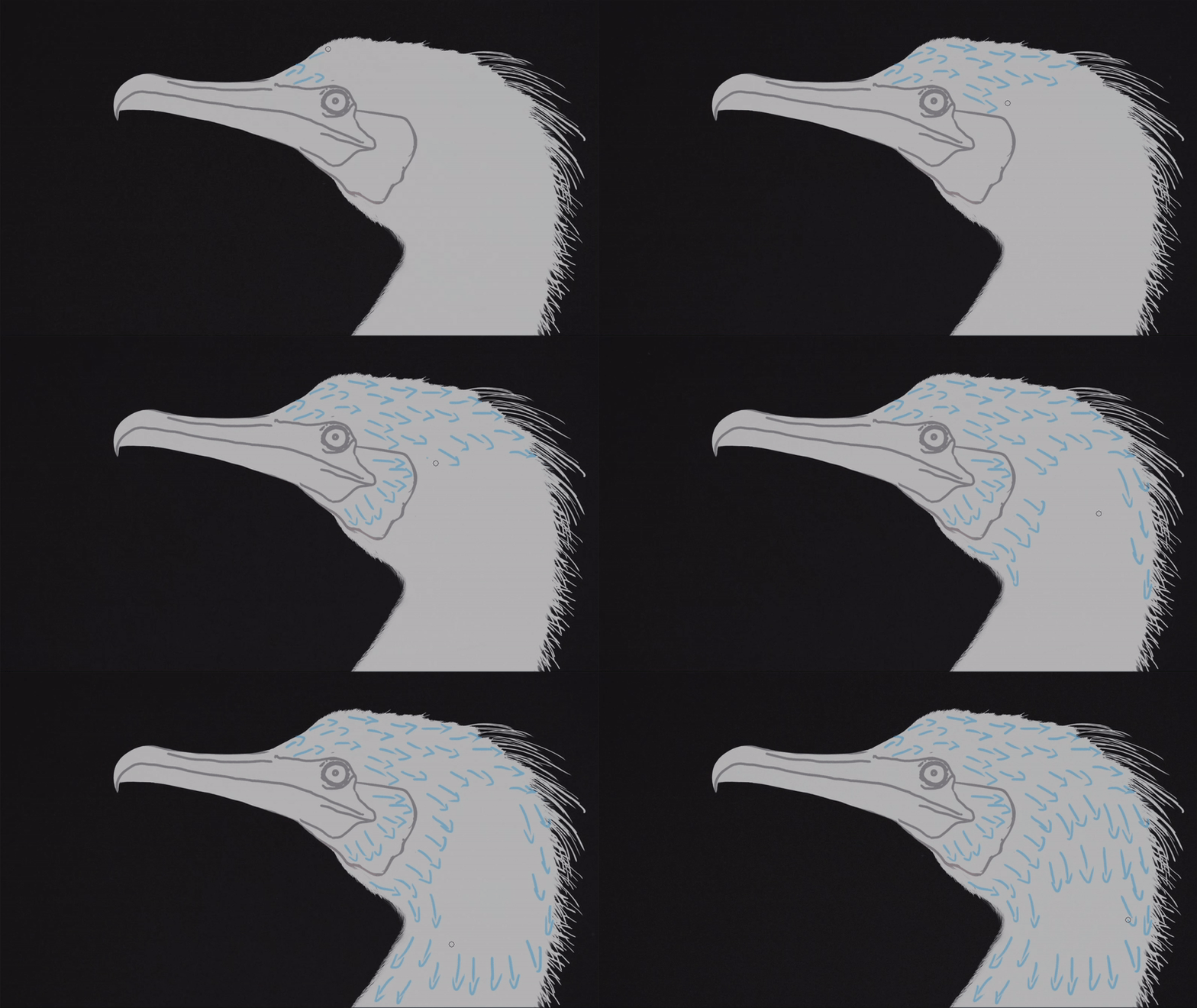
Illustration process
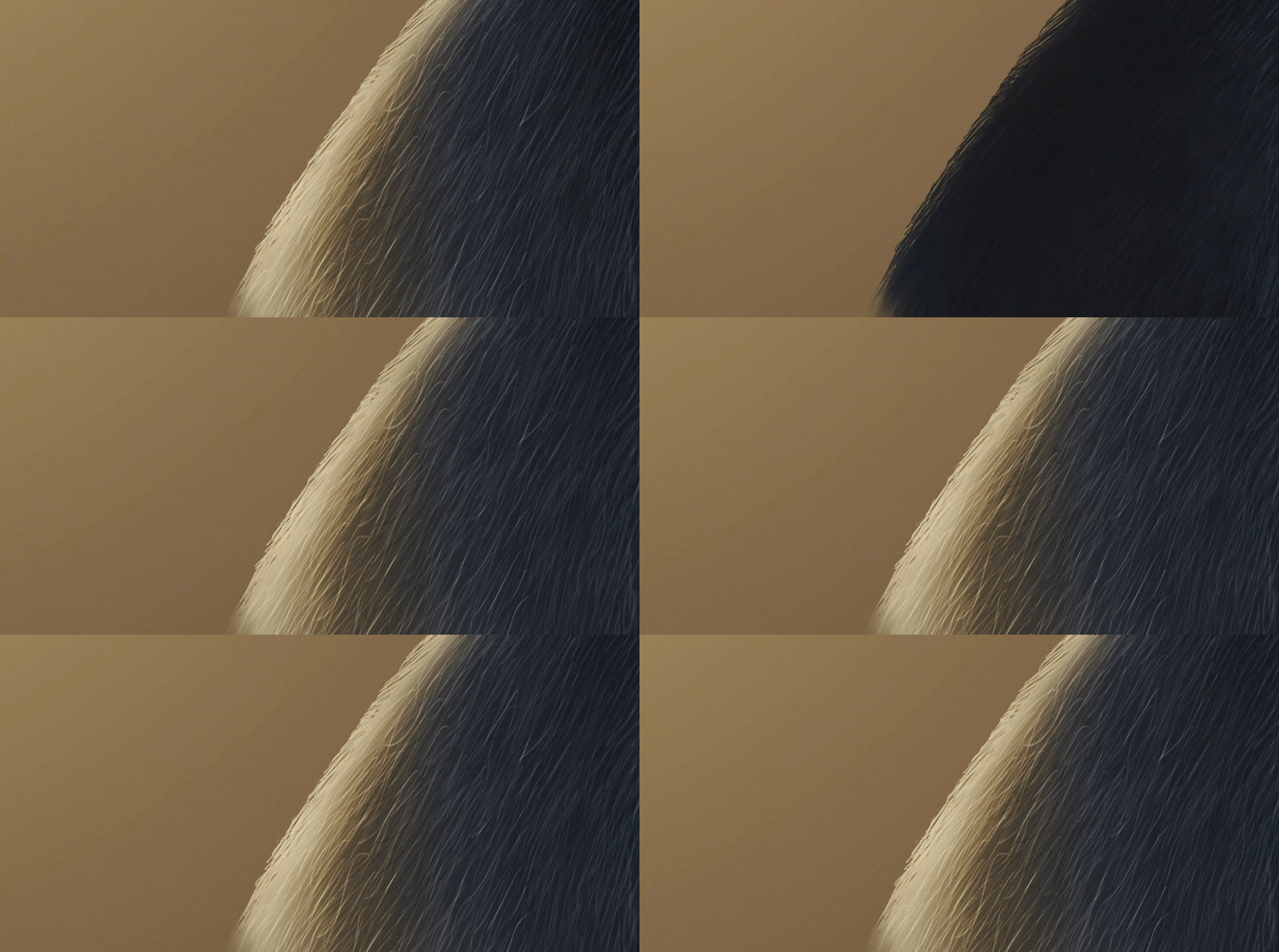
Here are some GIFs showing the process:
Feather direction marked with arrows before drawing:
Beak texture:
Fine feather details:
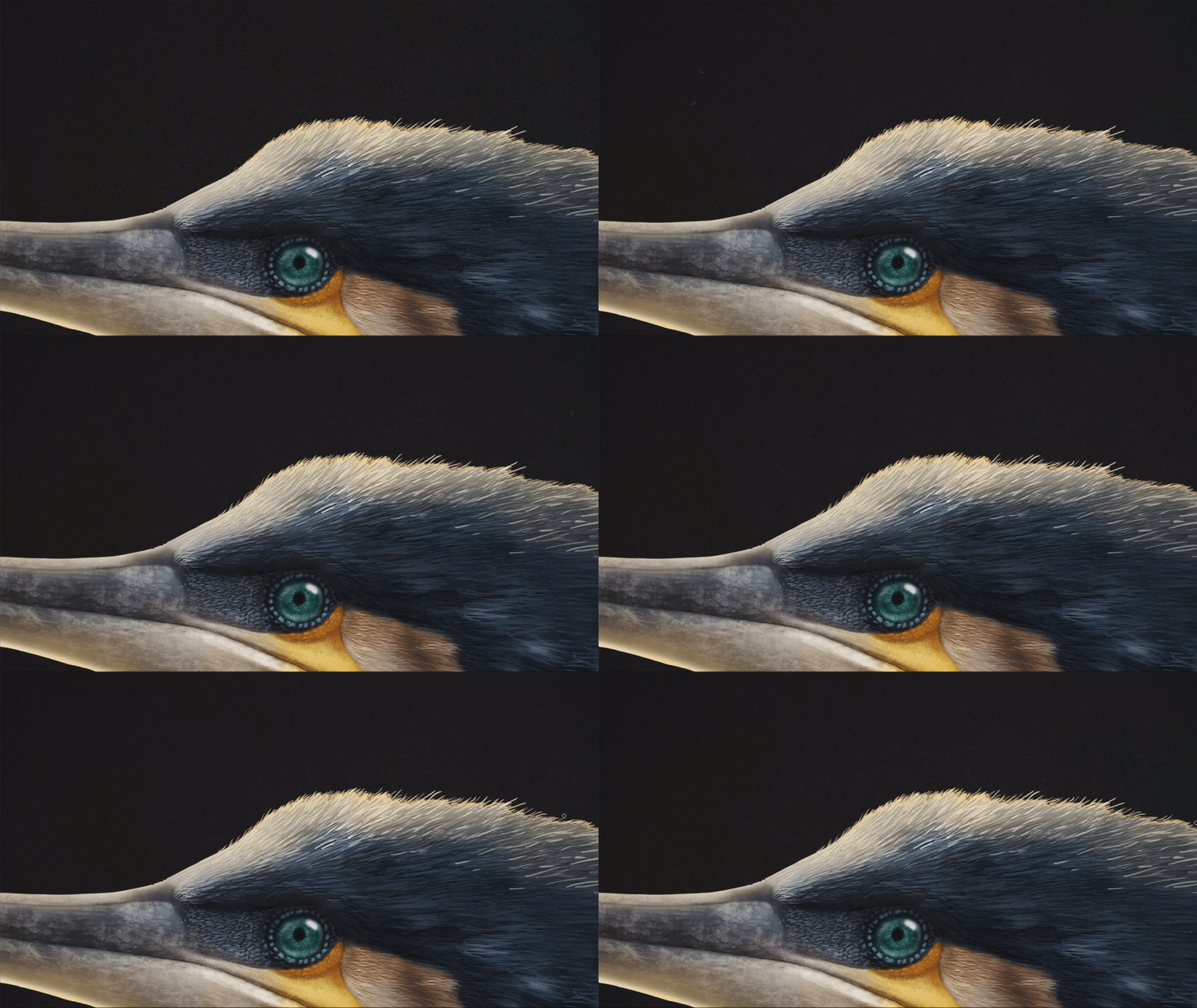
Highlights on and off:
Iconography
The female iconography was particularly relevant to me. I had been researching and comparing how many scientific graphics use the male silhouette as the default reference model, and I was not surprised to find that most of them relied on male figures.
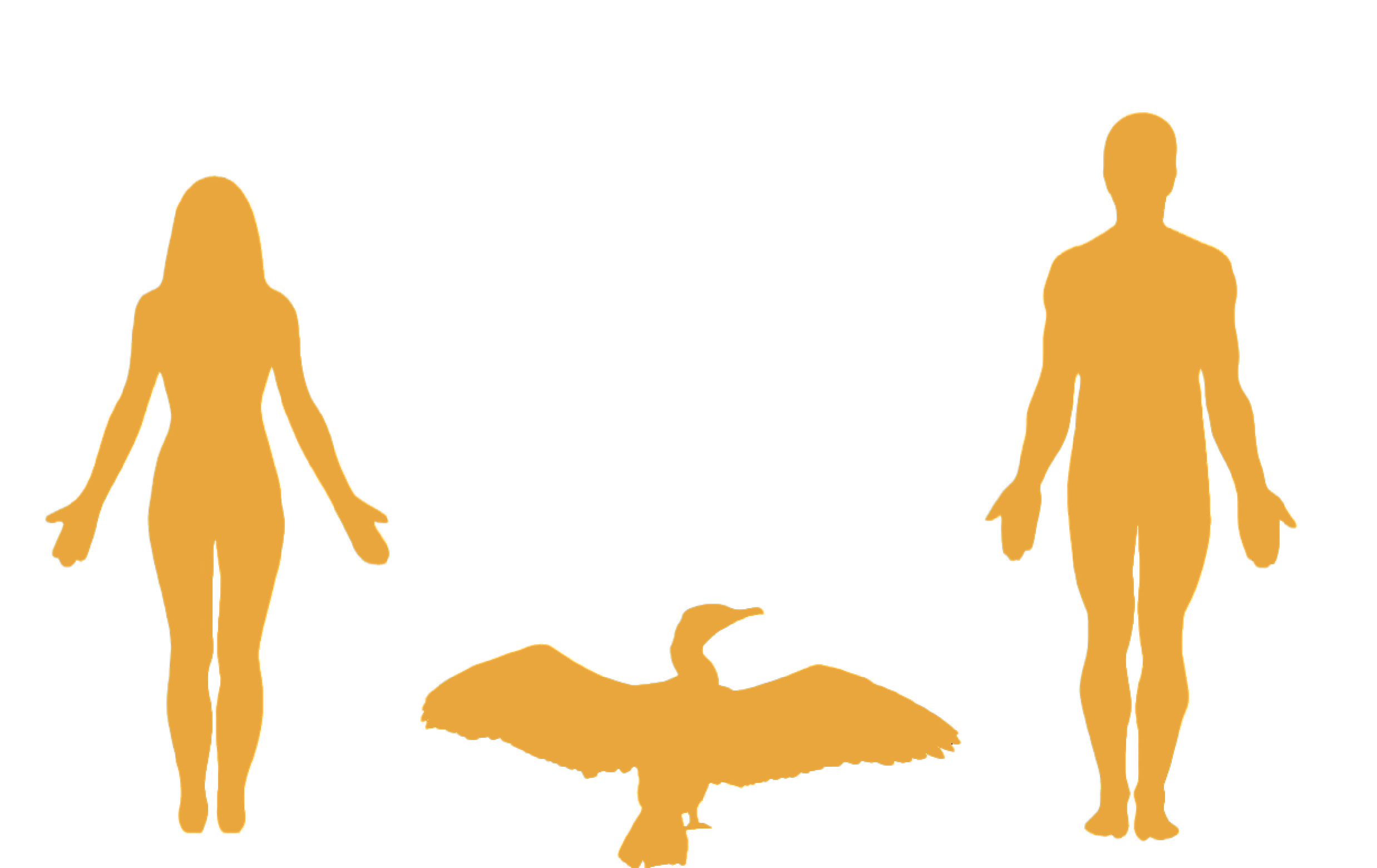
Although average height differences between men and women exist, they do not justify using the male body as the default human reference in every scientific or educational context.
Around the same time, I had been reading Invisible Women: Data Bias in a World Designed for Men by Caroline Criado Perez, which inspired me to keep pushing for greater female visibility in scientific graphics.
I hope these figures will help counteract the overuse of male bodies as default reference models in scientific graphics.
And here is the final result:
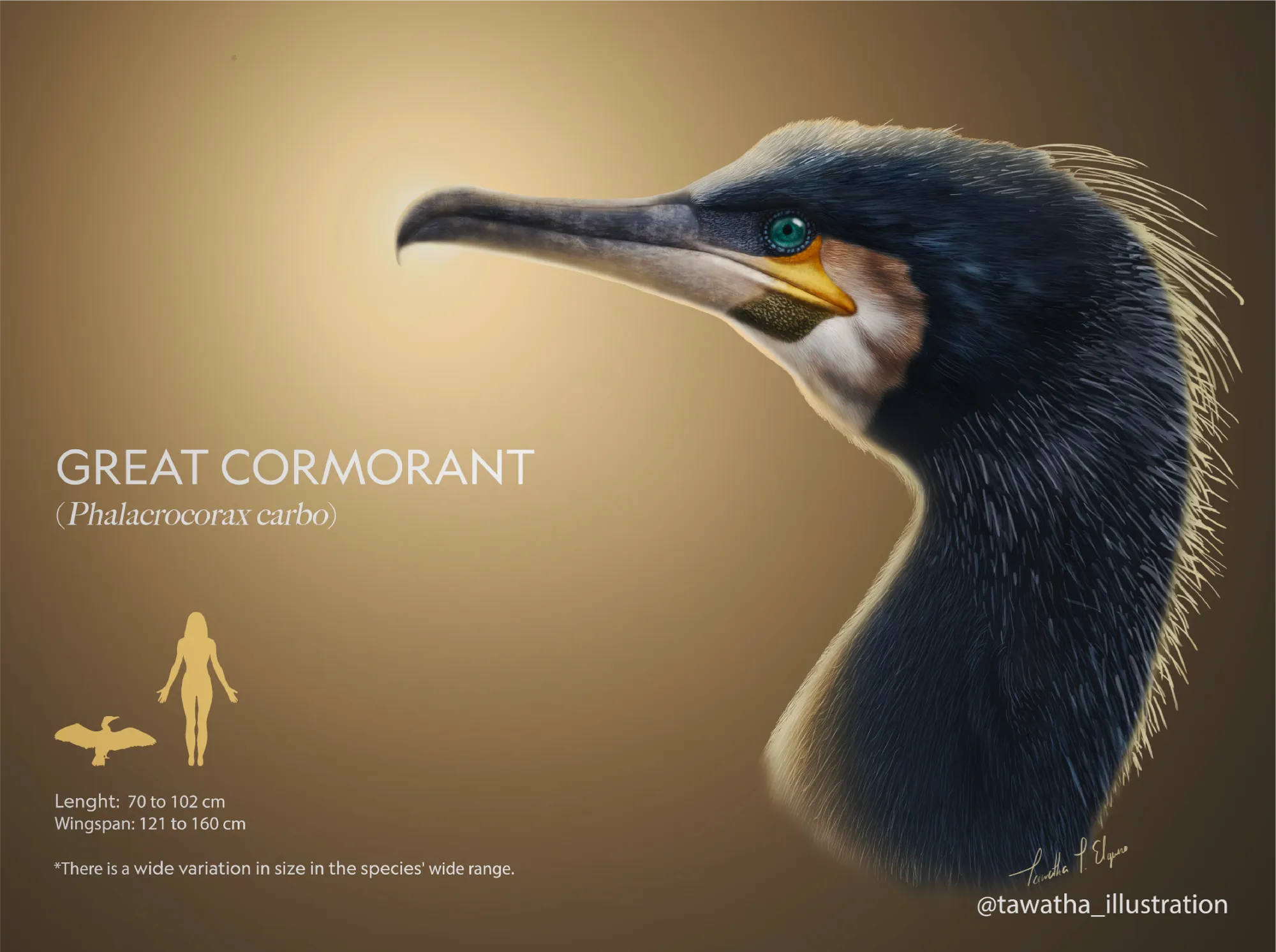
Note: I used the light source effect in Photoshop 2022, before it was updated. I think it is no longer possible to recreate the sun effect in the same way.
No spam, no sharing to third party. Only you and me.
Member discussion