#PlayForUkraine — Initiative
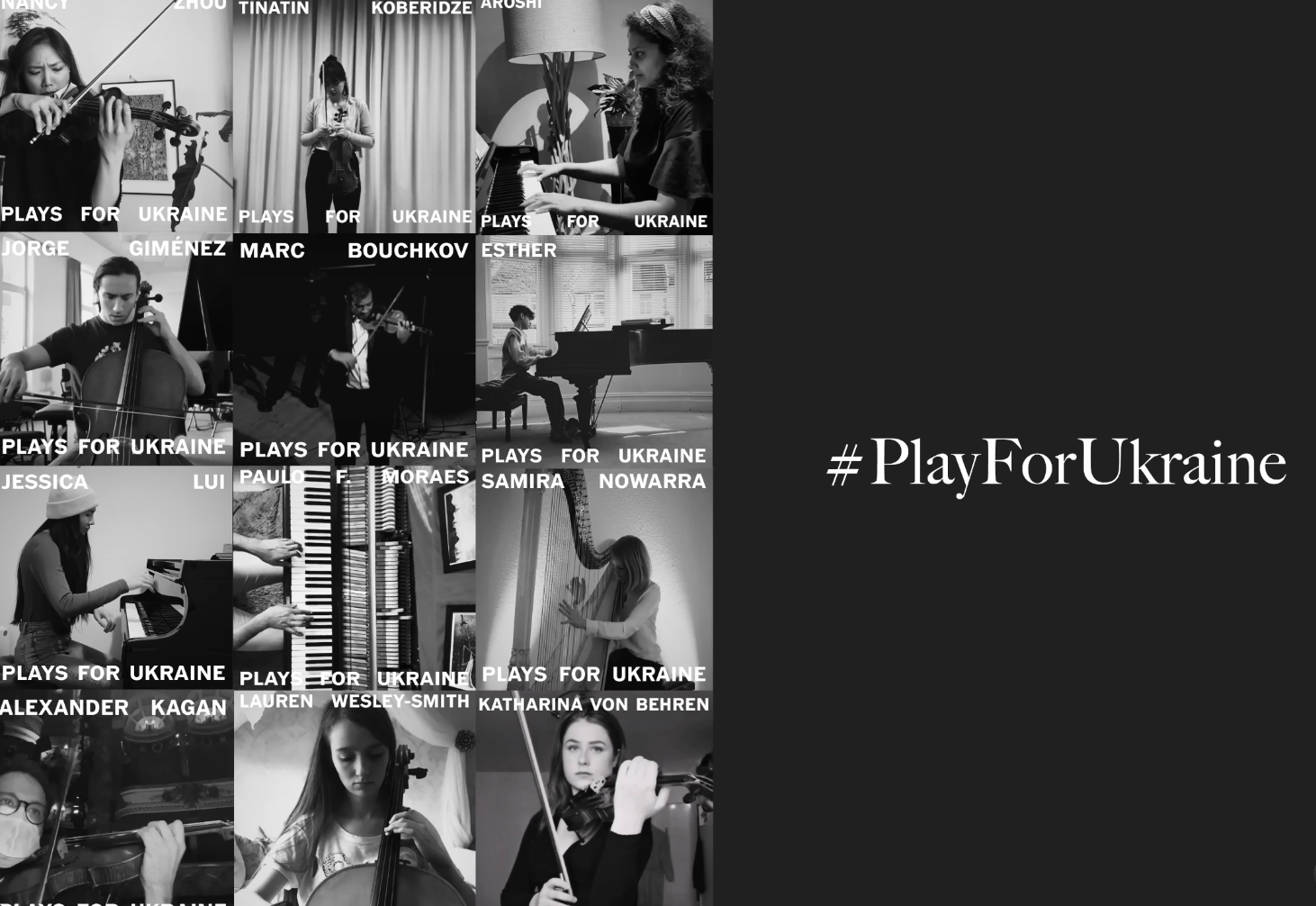
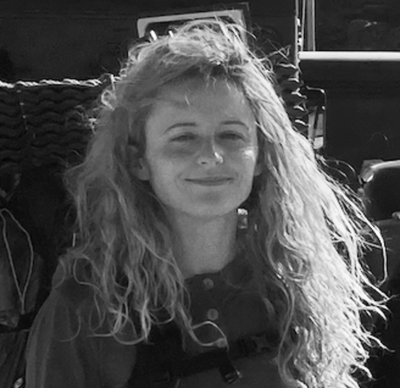
In 2022, after the escalation of the Russo–Ukrainian War, I created #PlayforUkraine, an online initiative that brought together musicians from around the world to share short performances in solidarity with Ukrainians and war victims.
The project began from a simple question:
Could I replace the sound of war with music, and bring meaning back to people?
Background
Back in 2021, I was trying to escape the long COVID-19 quarantine restrictions in Barcelona, Catalonia, when I discovered a valley in the Siurana region. I ended up staying there on my own for over a year, and it became an exploratory hub for my identity.
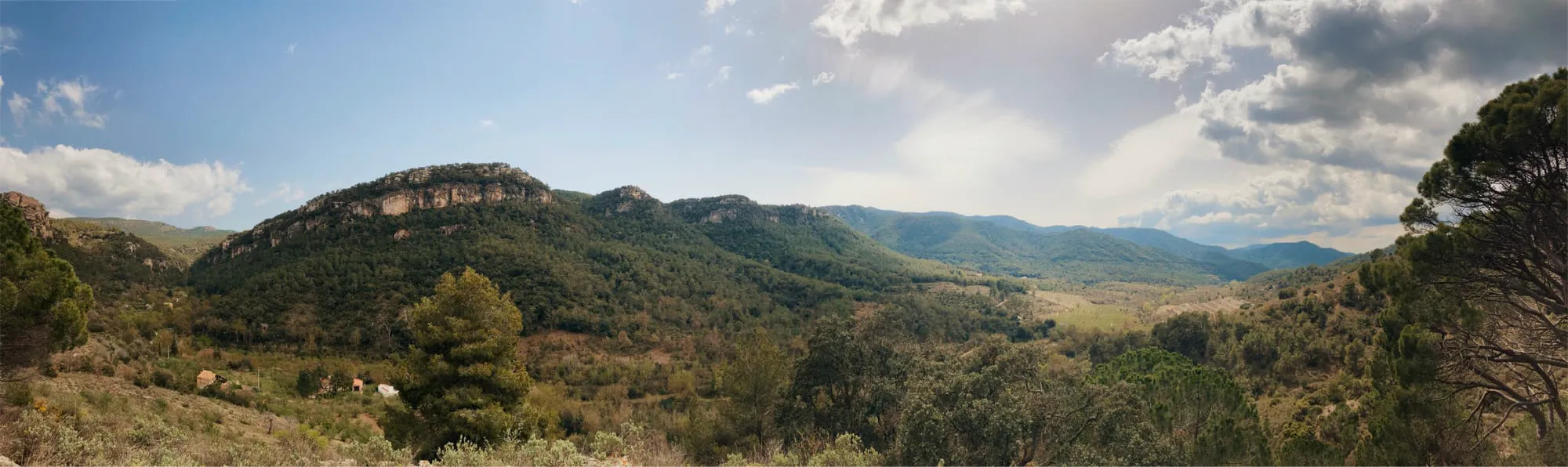
I spent a lot of time listening to classical music, particularly Vivaldi’s The Four Seasons, recomposed by Max Richter, while surrounded by nature.
On 24 February 2022, when the Russo–Ukrainian War began to escalate, I remember watching the news on my computer screen. It was loud. I could hear sirens and the sound of bombing. So I turned off the volume and replaced the sound of war with Vivaldi.
The contrast was immediate. Suddenly, the bombing became manageable. The suffering was still there, but it had transformed into something I could bear.
It had become… beautiful?
That question stayed with me.
Concept
I had once heard the primatologist and neurobiologist Robert Sapolsky speak about a disturbing story from Indonesia in the 1960s, in which death squads would sometimes bring traditional gamelan orchestras with them during massacres. They considered it a "beautiful act".
Music being used alongside violence.
I began to wonder whether the structure could be reversed.
Could I recreate an online orchestra like the one those war veterans had brought with them — but reverse its purpose? Could I replace the sound of war with music, and bring meaning back to people?
Goal
I wrote a quick statement and shared it:
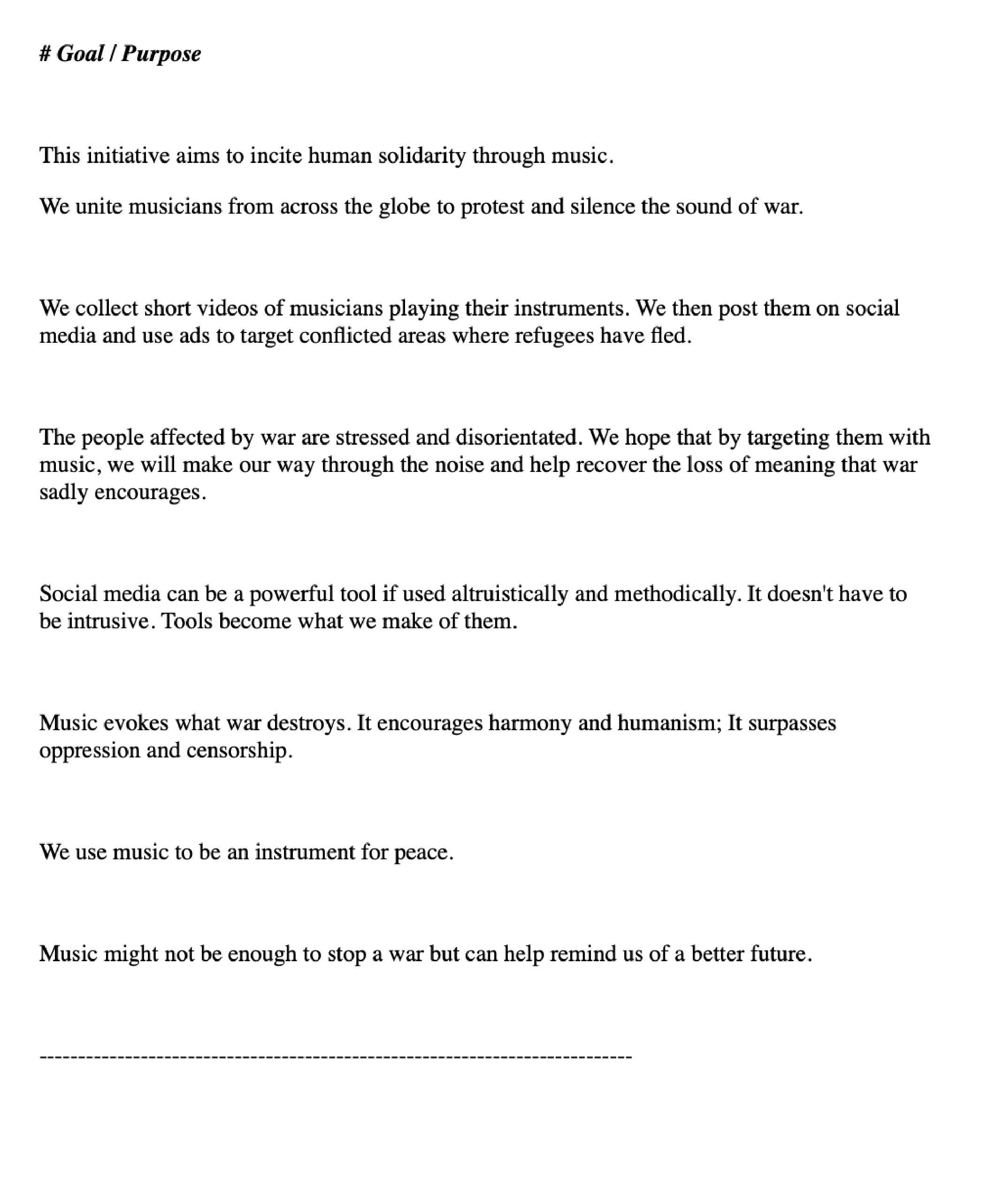
We used music as an instrument for peace.
Process
I had been following the social media hashtag #100daysofpractice, started by violinist Hilary Hahn. I became fascinated by musicians practicing and sharing their process in real time.
By breaking their practice down into one-minute videos, they made the learning process feel much more accessible and digestible.
So when the war started, my instinct was to contact musicians who were already engaging in this kind of practice. I thought it would not take much of their time to share a short performance in solidarity.
I created a quick profile photo and wrote a statement in my stories, asking violinists to play supporting war victims.
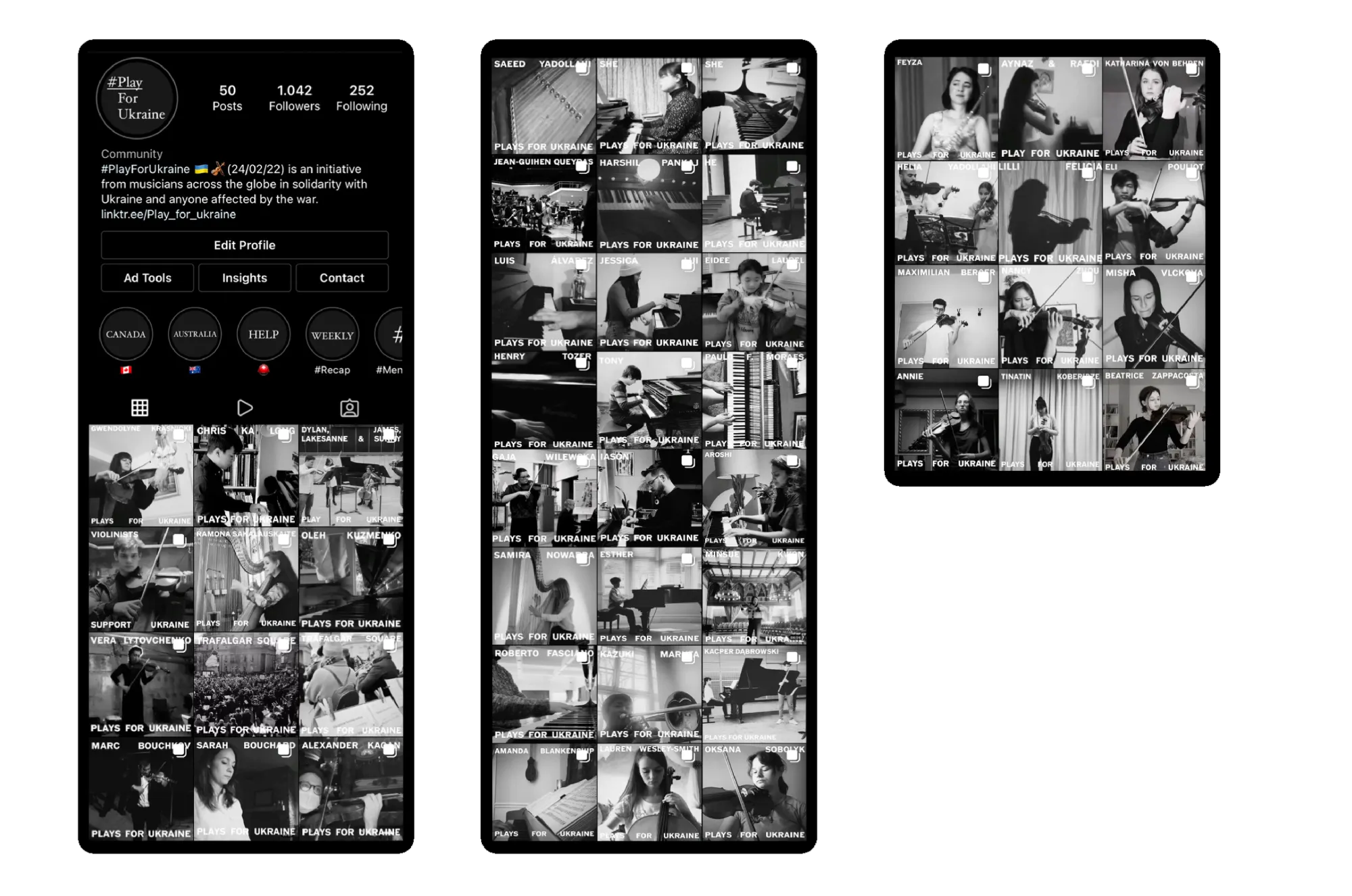
The next step was to contact violinists I was already familiar with. To my surprise, many replied instantly, excited and willing to contribute.
After one month, we had around 60 participants.
Nancy Zhou playing Tchaikovsky’s “Meditation.”
Reach and impact
We managed to reach the official M6 channel in France, as well as Polish national radio. I only realised this after a sudden spike in French followers.
Although I was happy about the coverage, my goal was not to reach a French audience specifically — it was to reach Ukrainians.
That was when I realised that the most direct way to reach them was through Instagram ads, targeting specific locations where refugees had fled.
And it worked instantly:
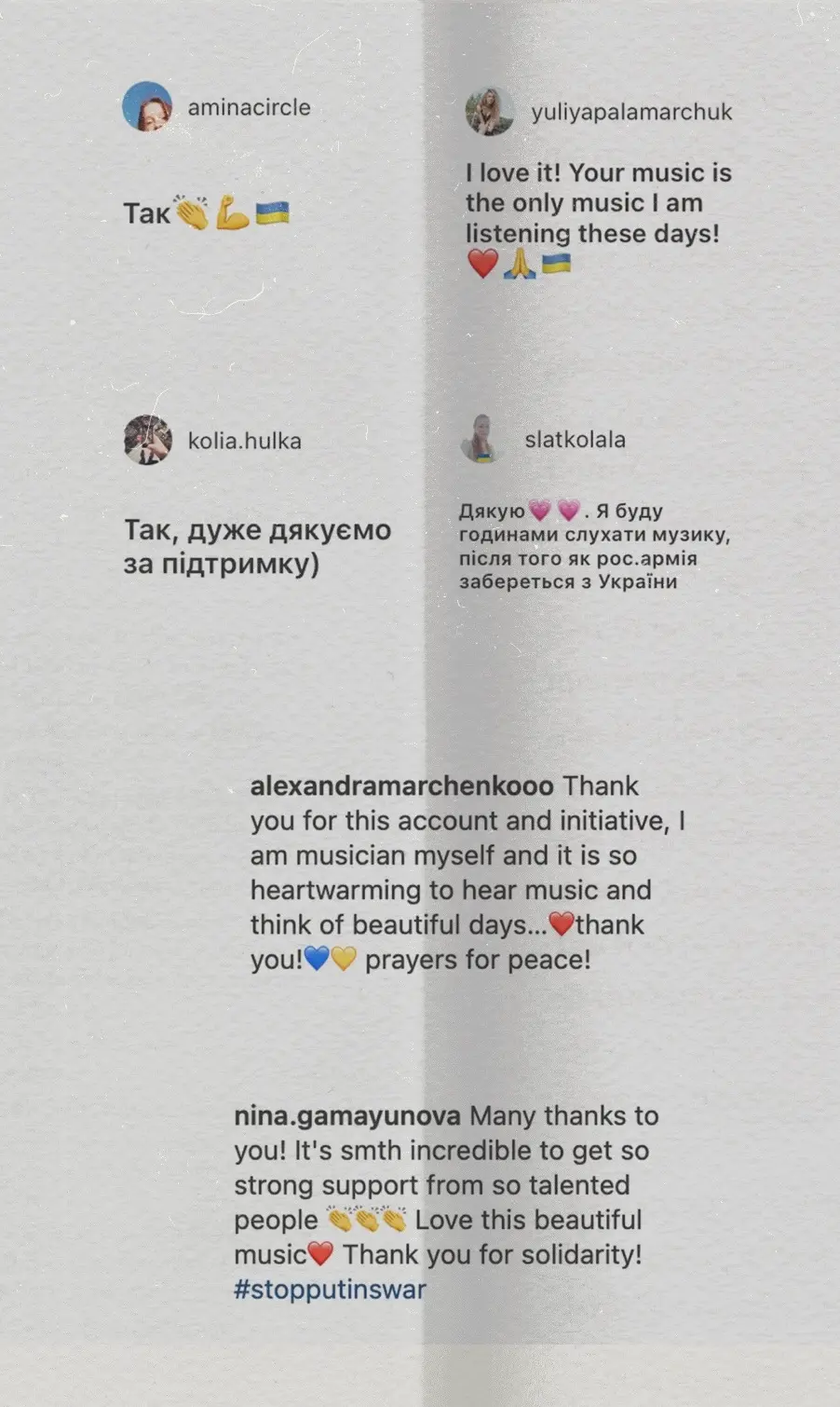
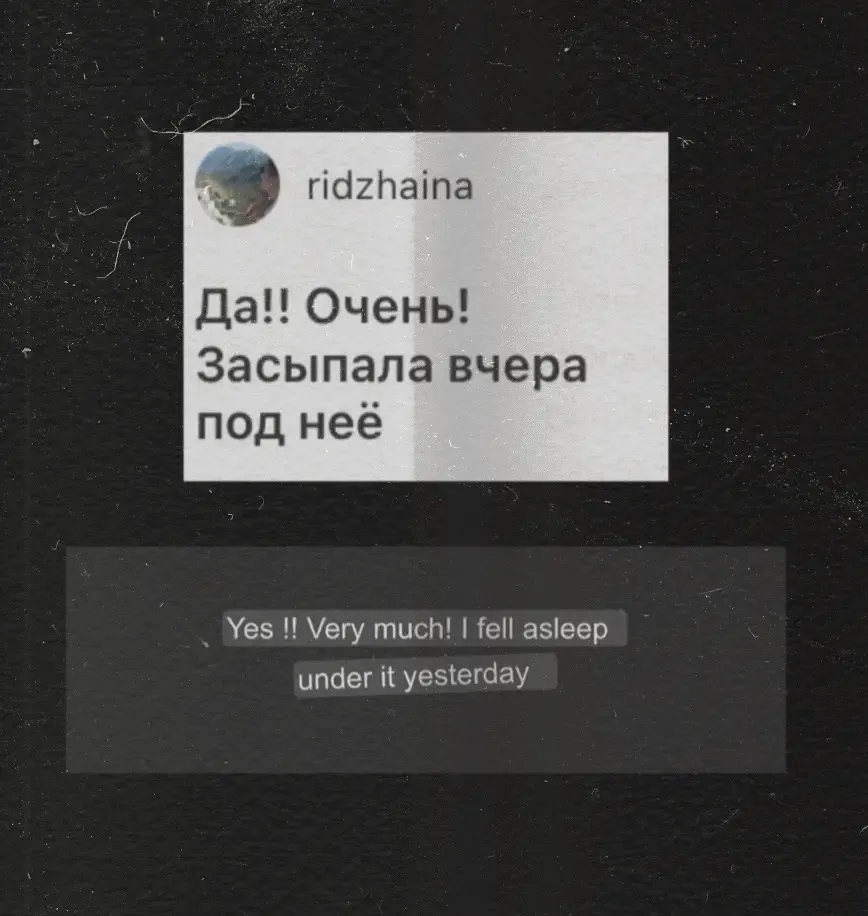
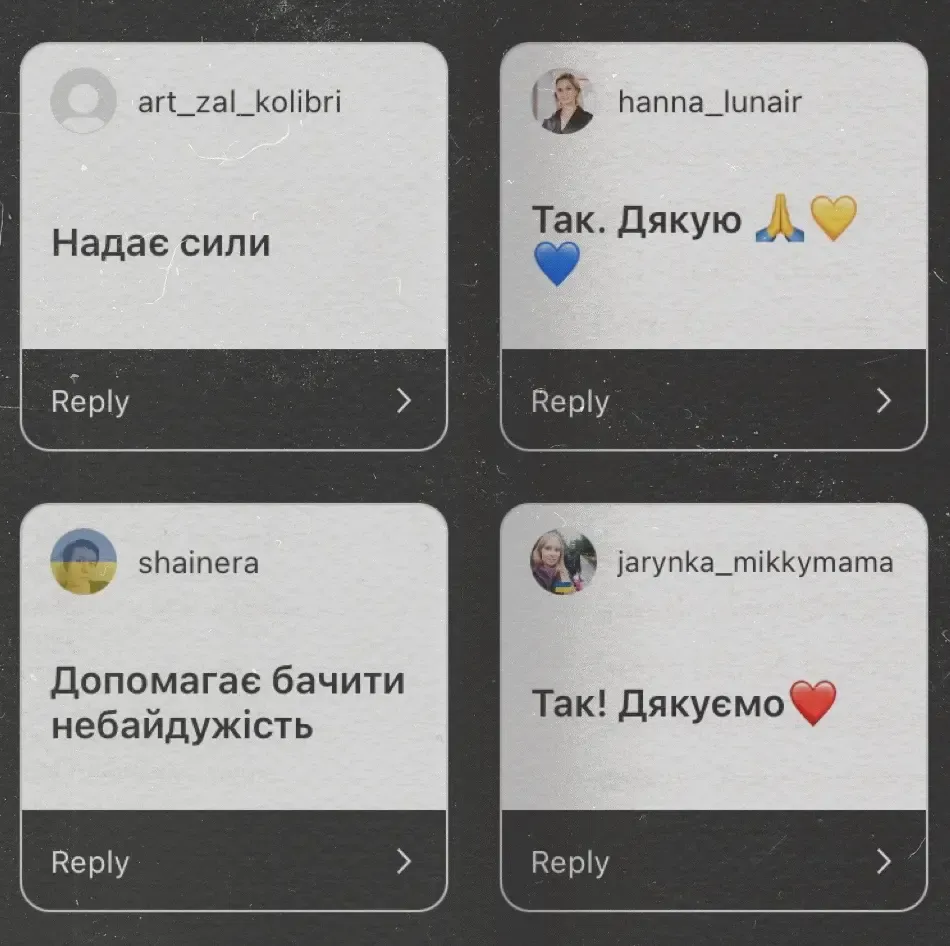
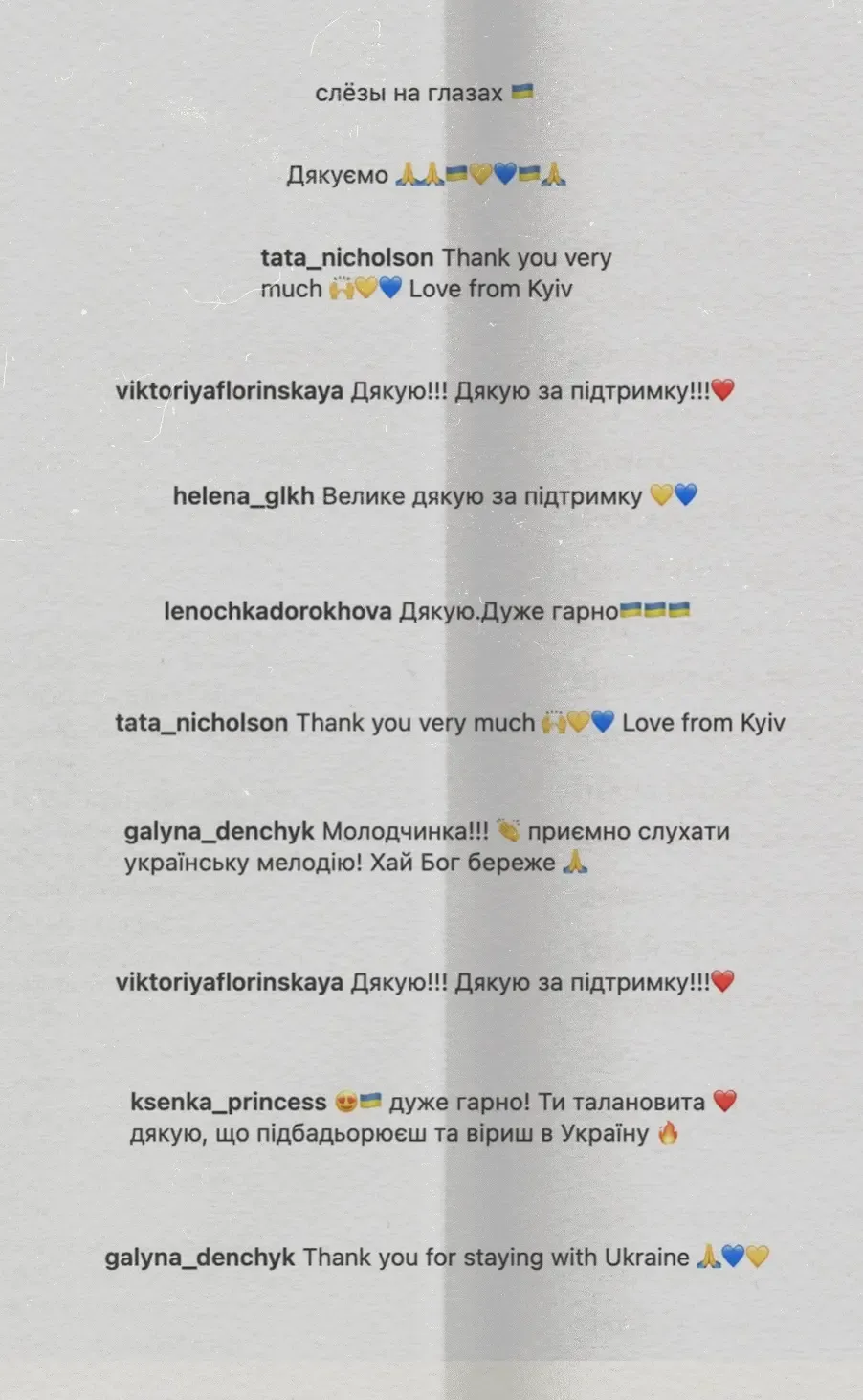
Some reviews from Ukrainian refugees. Tawatha T. Elguero
I stayed in close contact with Ukrainian refugees. Some were sheltering in bunkers, while others allowed me to follow their journeys from Kyiv to Poland and other neighbouring countries.
One of the most meaningful responses came from someone distressed who managed to fall asleep while listening to our music.
Visual communication
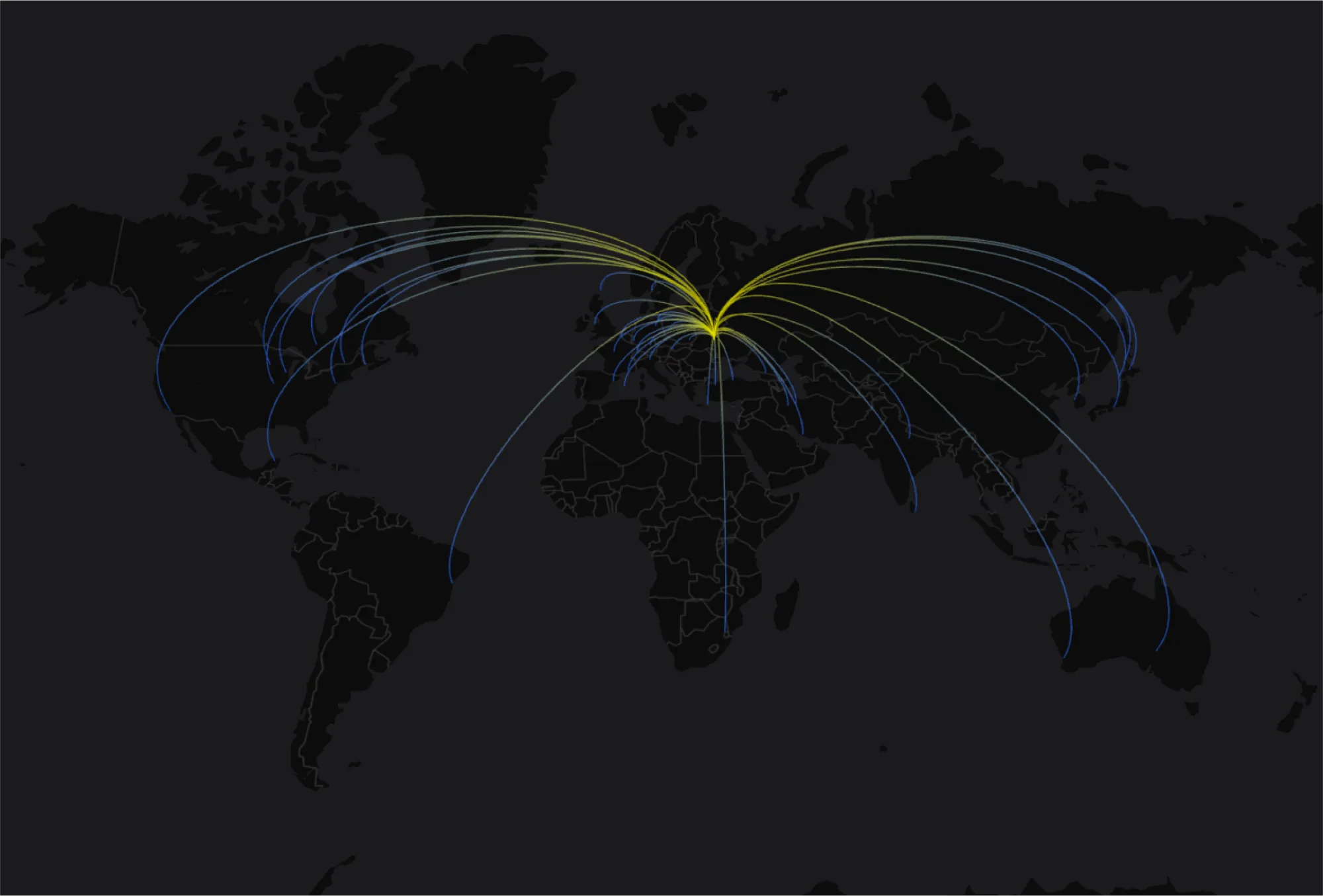
I created a symbolic map showing participants around the world directing their music towards Ukraine. I used the blue and yellow colours of the Ukrainian flag to represent the country.
Analogy
The Dnieper River became a guiding analogy for the initiative: rising in Russia, passing through Belarus, and flowing through Ukraine before reaching the Black Sea.
It crosses territories divided by history, war, and power, yet the river itself remains continuous.
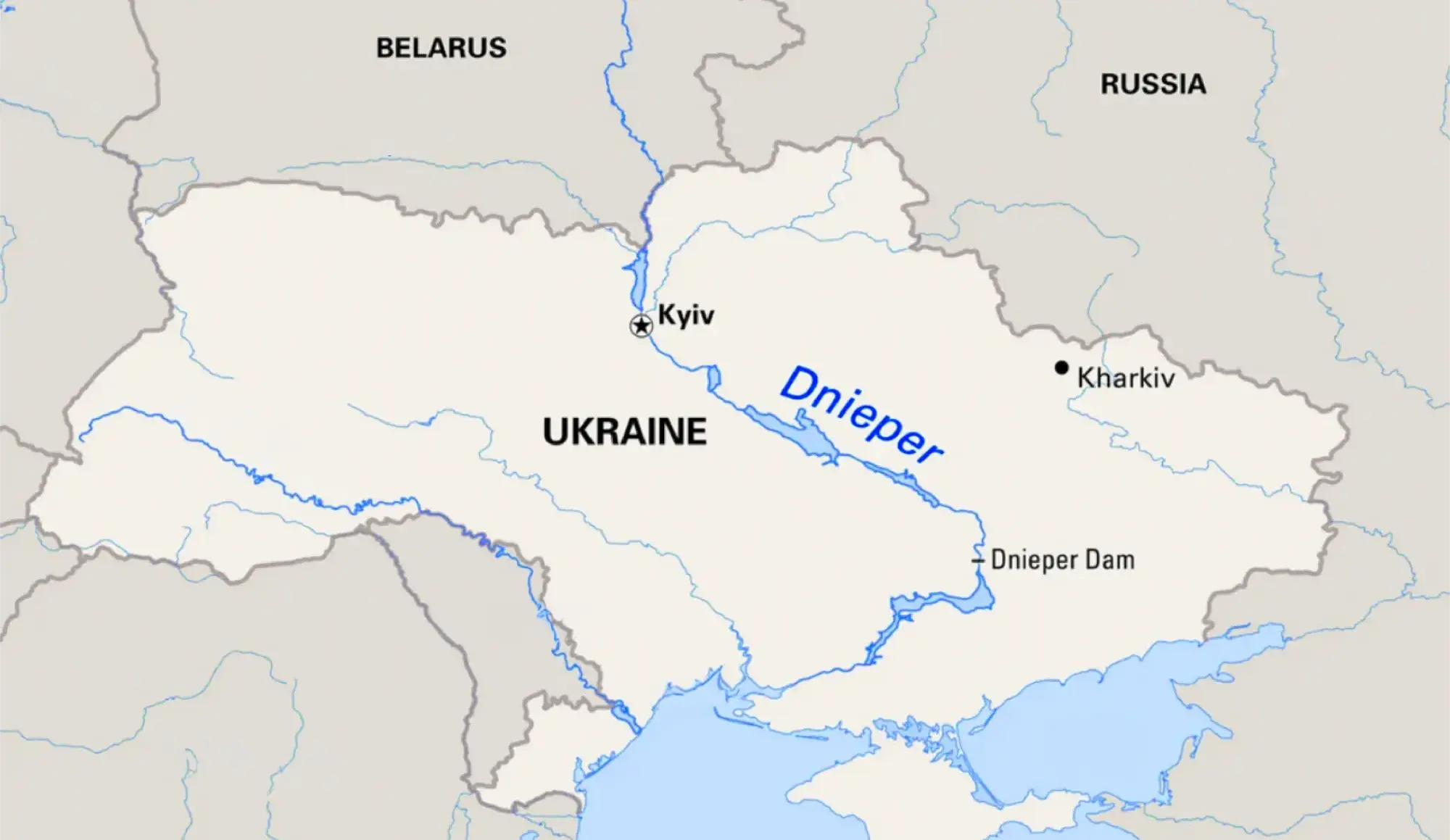
Music can be like that — not a denial of borders, but a reminder that beneath them, life continues to move: through memory, grief, beauty, and shared humanity.
My role
This was my first initiative, completely led by me.
I created the concept, contacted musicians, wrote the statement, collected performances, managed the Instagram profile, posted the videos, created visual material, ran targeted ads, and followed the response from war victims.
It required a lot of trial and error. I felt a whole spectrum of emotions. It was a lot of work, but the satisfaction of knowing that someone distressed managed to fall asleep to our music was priceless.
Reflection
This project taught me that social media can be a powerful tool if used altruistically and methodically. It does not have to be intrusive. Tools become what we make of them.
For me, #PlayForUkraine became a way to transform helplessness into action, memory into empathy, and music into a shared gesture of care.
The initiative was removed from Instagram in 2025 after having completed its purpose.
Thank you to all the wonderful participants.
Rights note
I do not own the rights to the video performances presented here. These videos were kindly sent to me by the artists, or shared with their permission, as part of this initiative. They are presented here for archival purposes.
If you are one of the musicians featured and would like your video removed, please contact me.
No spam, no sharing to third party. Only you and me.
Member discussion