Vaquita Marina — Conservation Communication

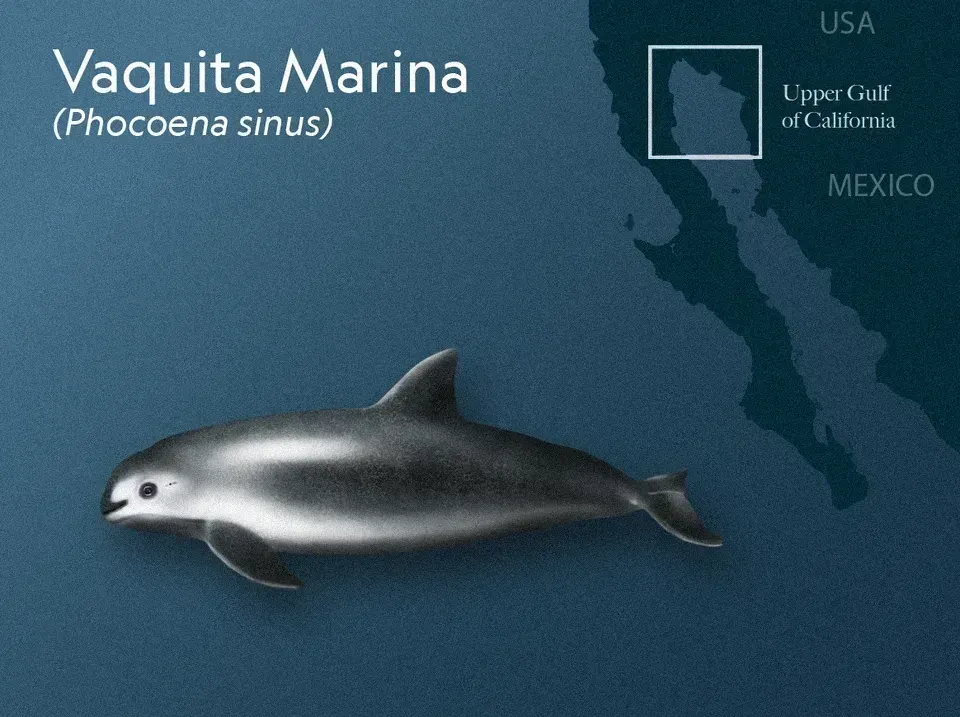
IUCN Red List status: Critically Endangered (CR).
I began this project in 2022 as an ongoing collaboration with Julia Rouaux, PhD in Natural Sciences and scientific illustrator, who has supervised me throughout the process to help ensure the accuracy of the data and information used in this project.
The vaquita marina (Phocoena sinus) is the world’s smallest porpoise and one of the most endangered marine mammals on Earth. Its range is limited to the Upper Gulf of California, Mexico. Only a handful of individuals remain, with 2025 monitoring efforts estimating approximately 7–10 vaquitas observed.
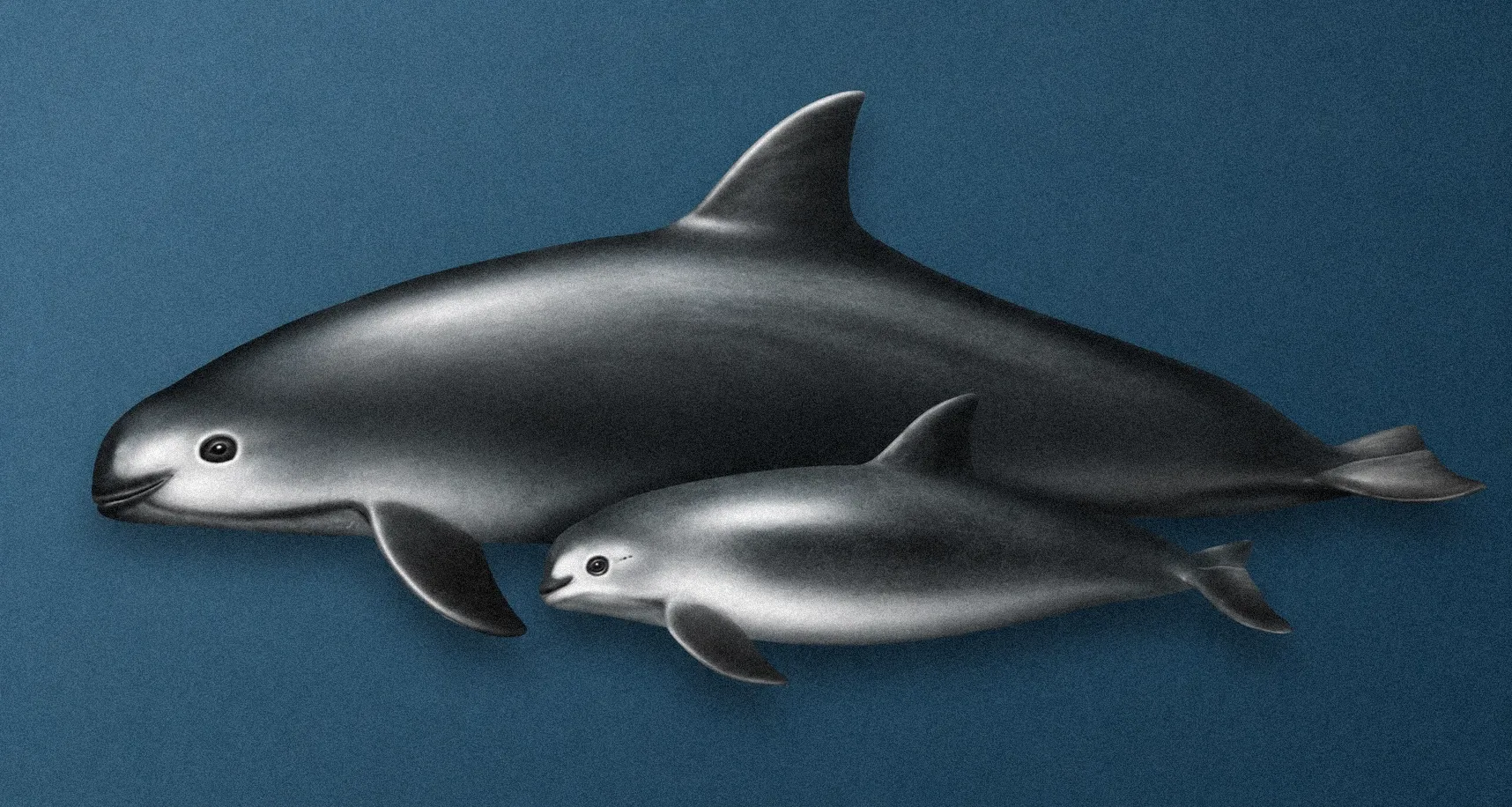
The main threat to the species is bycatch in illegal gillnets set for totoaba, an endangered fish whose swim bladder is highly prized on international black markets. Despite the severity of the decline, conservation efforts continue to protect the remaining animals and support the possibility of population recovery.
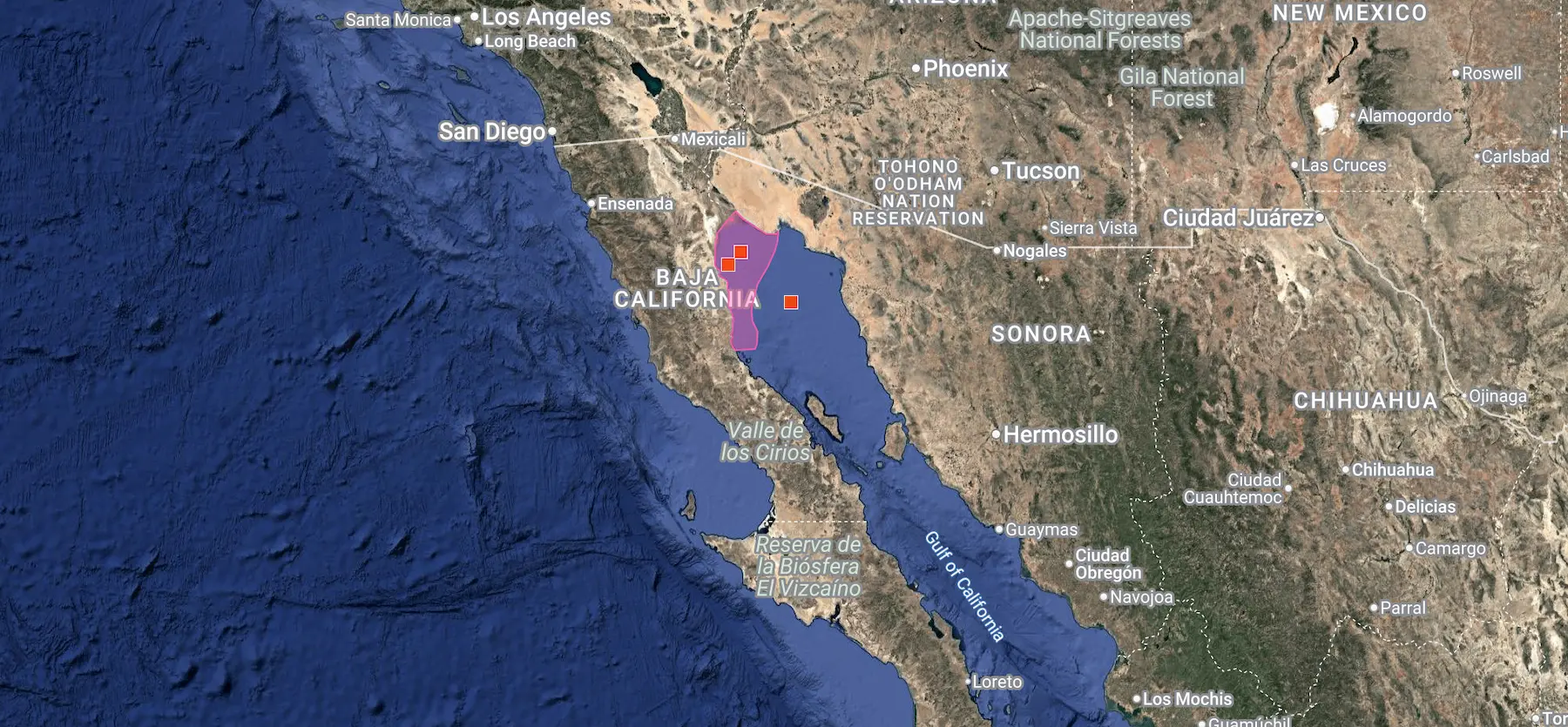
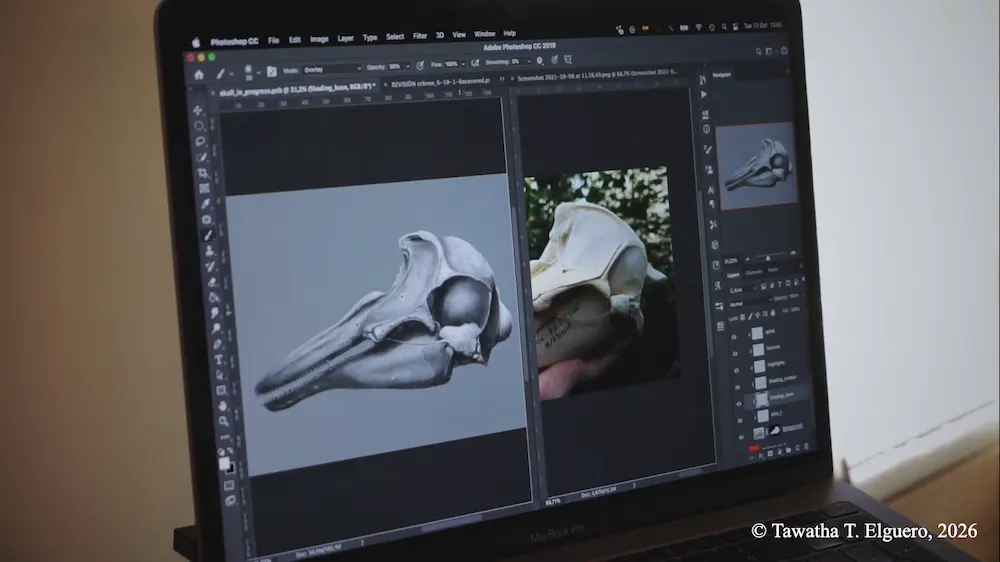
Illustration Process
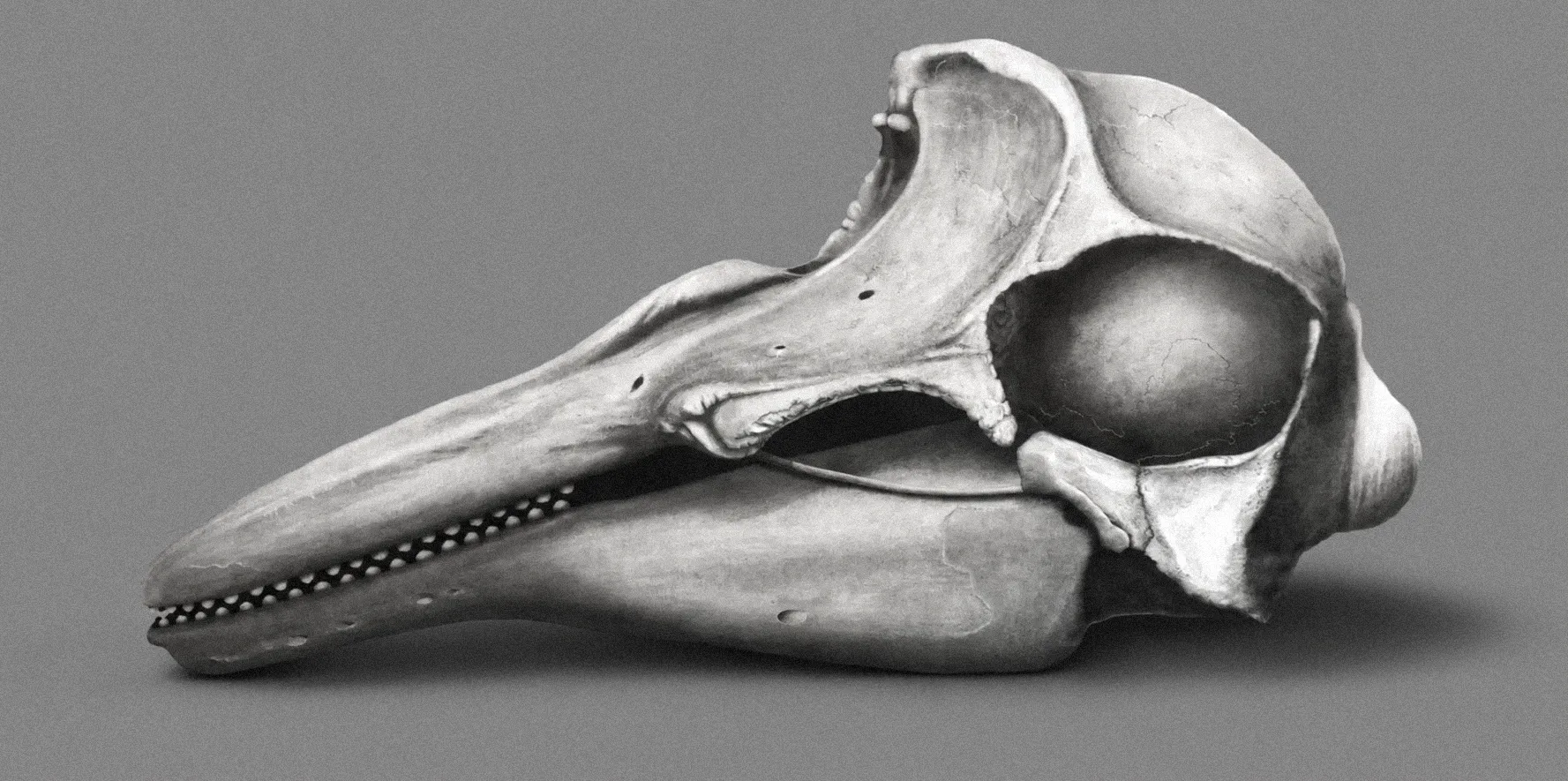
The project is currently in progress. So far, I have focused on reconstructing the skull and developing preliminary infographics to communicate the species’ anatomy and conservation status. There is still a lot of work ahead and the development of additional educational material.
The research process has been challenging because the remaining population is minimal, and skeletal material is scarce. Only a limited number of specimens are available through museums, archives, or private collections.
Because some cranial elements were missing from the available references, including the teeth and zygomatic arch, we sent a formal request to the vertebrate collection in Mexico for additional specimen photographs.
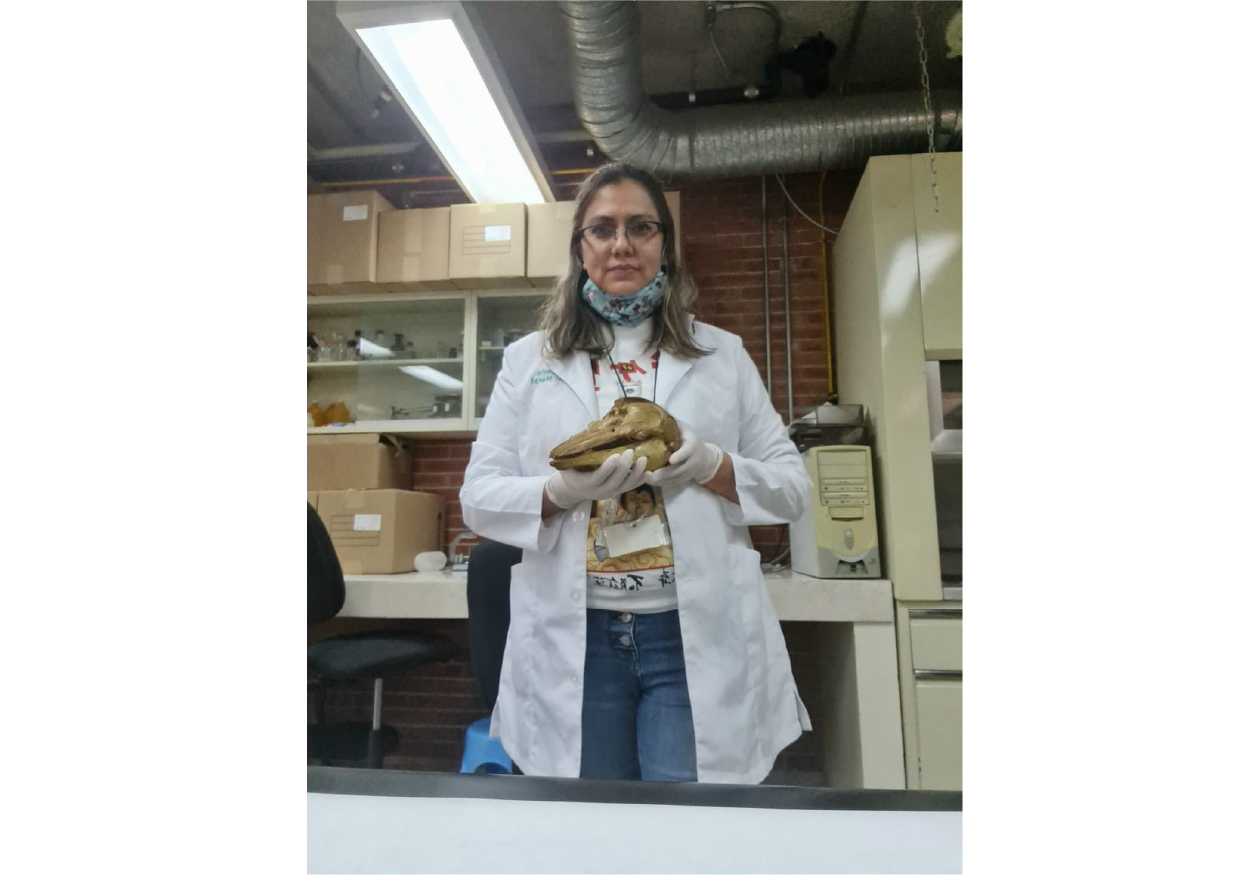
Dr. Sandra Martínez gathered the necessary photographic material, which allowed me to complete the skull reconstruction.
Close-up of a Vaquita skull study in pencil, showing tonal development - 2022. Tawatha T. Elguero
And here is the final-rendered skull:
Special thanks to The Vertebrate Collection of the Natural History Museum of Mexico and to Dr. Sandra Martínez for their generous support and for providing the photographic reference material that made this part of the reconstruction possible.
No spam, no sharing to third party. Only you and me.
Member discussion